Advancing Peacebuilding Knowledge
Never Again Rwanda conducts and publishes rigorous academic research to advance understanding of peacebuilding in post-conflict contexts. Our research combines empirical data, theoretical analysis, and practical insights to inform both policy and practice.

Research Papers & Studies
Filter and search through our collection of academic and empirical research
Social Cohesion in Post-Genocide Rwanda: A Longitudinal Analysis
A comprehensive longitudinal study examining social cohesion trends across Rwanda's 30 districts over two decades. The paper analyzes factors contributing to or hindering community reconciliation and trust-building processes.
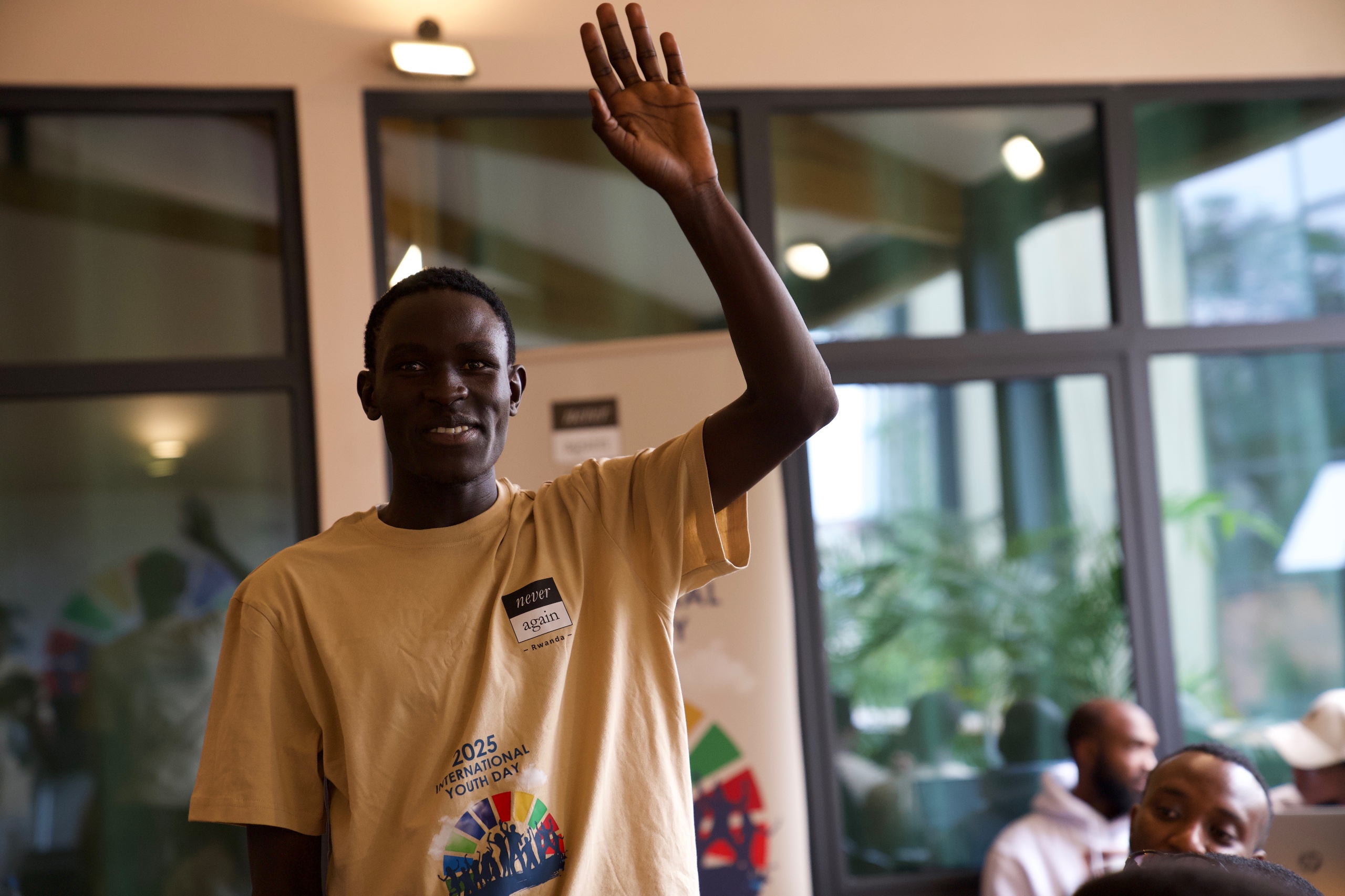
Youth Agency in Peacebuilding: The Role of Rwanda's Generation Z
Explores how young Rwandans are driving peacebuilding initiatives through digital activism, youth-led organizations, and intergenerational dialogue. Includes case studies from Kigali and rural districts.
Gender, Peace and Security in Rwanda: Progress, Challenges, and the Path Forward
Comprehensive analysis of Rwanda's implementation of UN Security Council Resolution 1325. Examines women's participation in peace processes, gender-sensitive programming, and remaining gaps.
Transitional Justice and Community Reconciliation: Perspectives from Rwanda's Grassroots
Qualitative research exploring community understandings of transitional justice mechanisms and their role in Rwanda's reconciliation process. Based on interviews with survivors, perpetrators, and local leaders.
Cross-Border Peacebuilding in the Great Lakes: Opportunities and Challenges
Analysis of regional peacebuilding dynamics between Rwanda, Burundi, DRC, and Uganda. Examines cross-border initiatives, challenges of regional cooperation, and pathways for enhanced collaboration.
Measuring Social Cohesion: Developing Indicators for Post-Conflict Recovery
Methodological paper on developing and validating social cohesion indicators for monitoring peacebuilding progress. Includes pilot testing in Rwandan communities and recommendations for broader application.
Can't find the research you're looking for?
Request Specific PaperOur Research Methodology
We employ mixed methods and participatory approaches to ensure comprehensive and contextually relevant research
Participatory Research
Community members and stakeholders are involved in research design, data collection, and analysis to ensure local perspectives and ownership.
Mixed Methods
Combining quantitative surveys and indicators with qualitative interviews and focus groups for rich, triangulated insights.
Ethical Standards
All research follows international ethical guidelines, with particular attention to sensitive topics in post-conflict contexts.
Contextual Relevance
Research questions and methods are grounded in Rwanda's specific historical, cultural, and social context.